Urban Trees
Our urban forest does not only include the trees persisting in rural and undeveloped spaces adjacent to urban centers — it also includes the trees growing within our highly urbanized landscapes. These trees provide important services, such as reducing air pollution or mitigating urban heat island effects, to communities of color. Unfortunately, Eastside Los Angeles communities have some of the lowest tree canopy cover in the city. Here, we outline some of this biodiversity found growing within our backyards and along our streets.
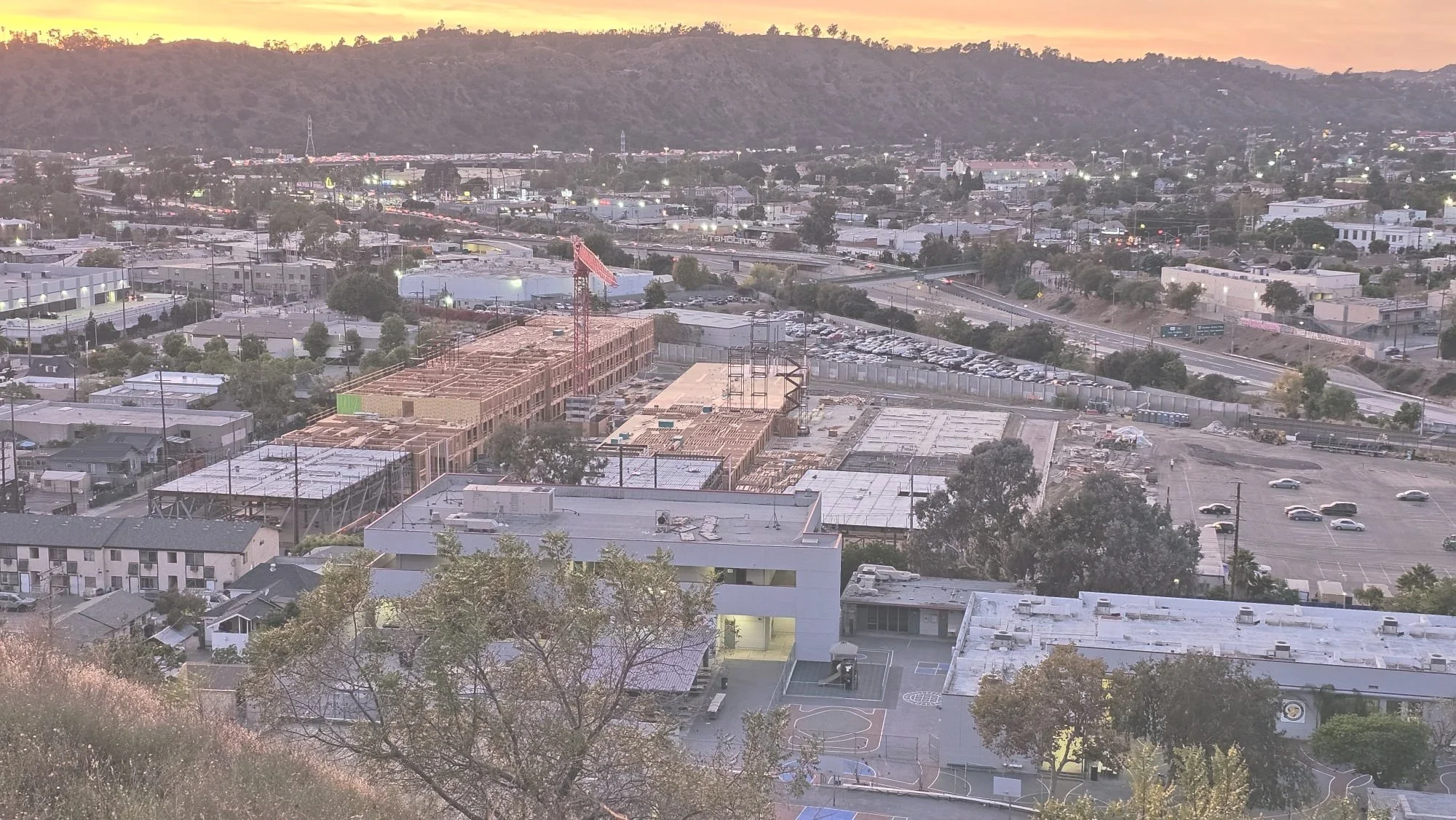
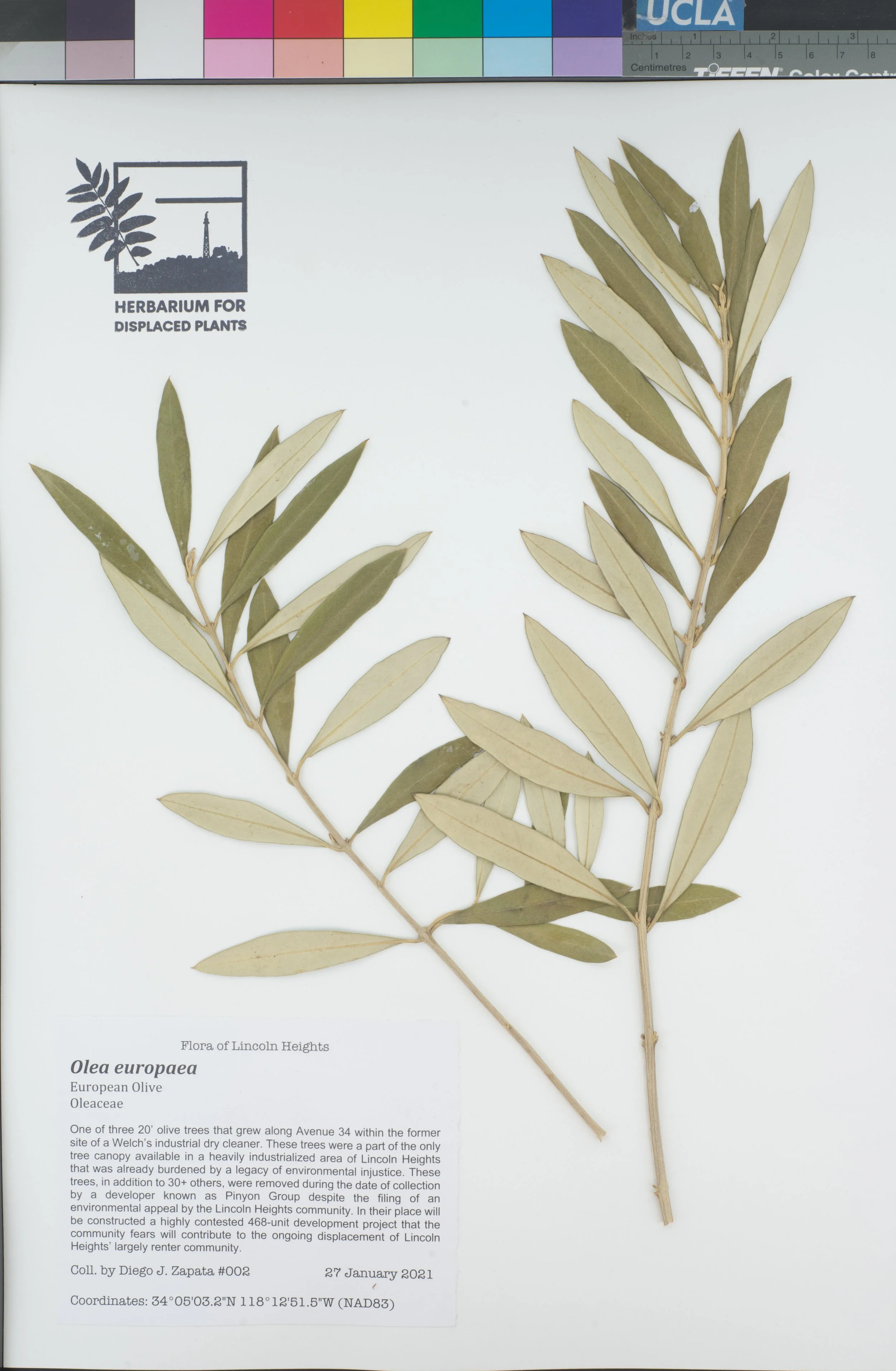
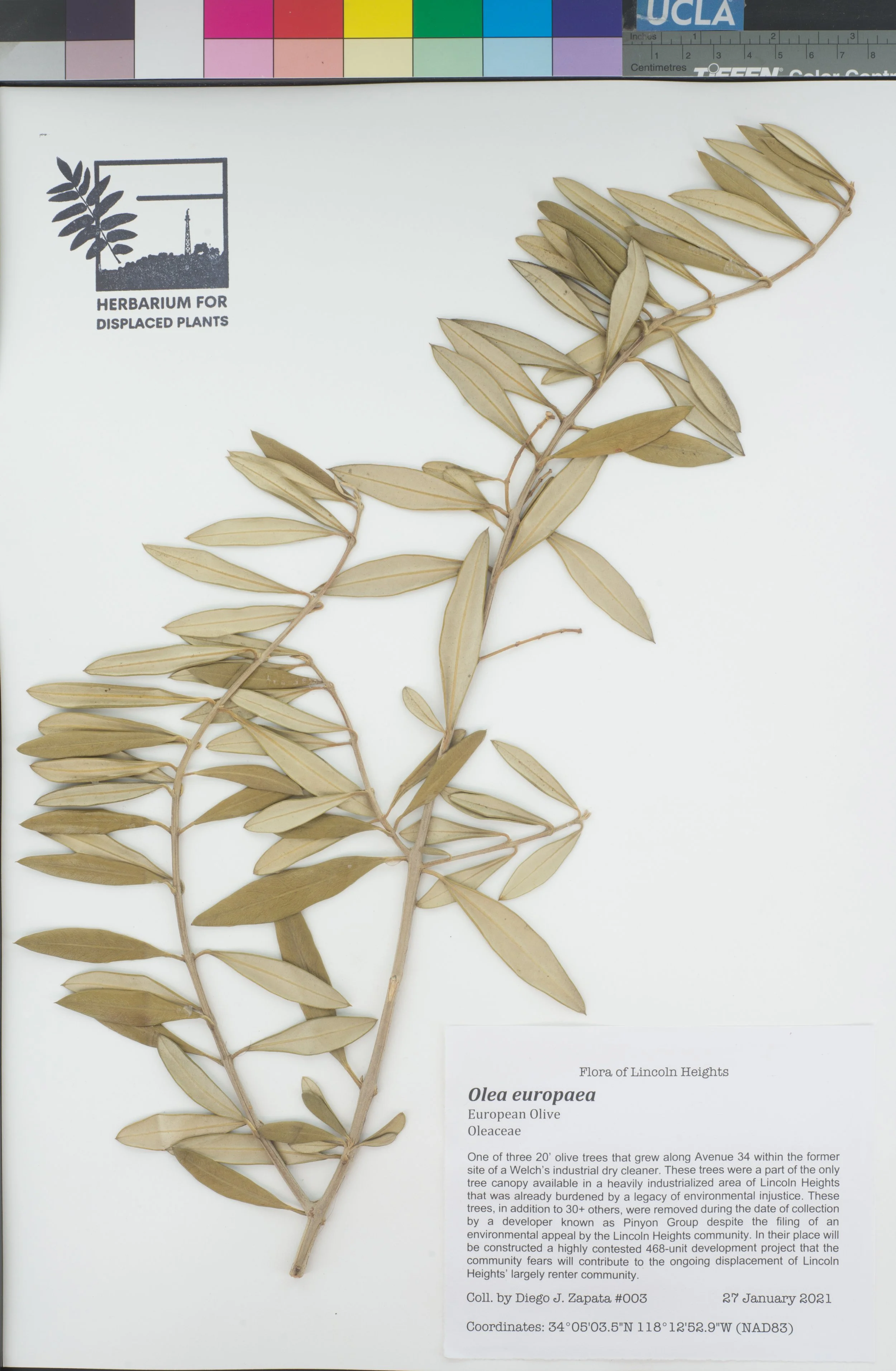
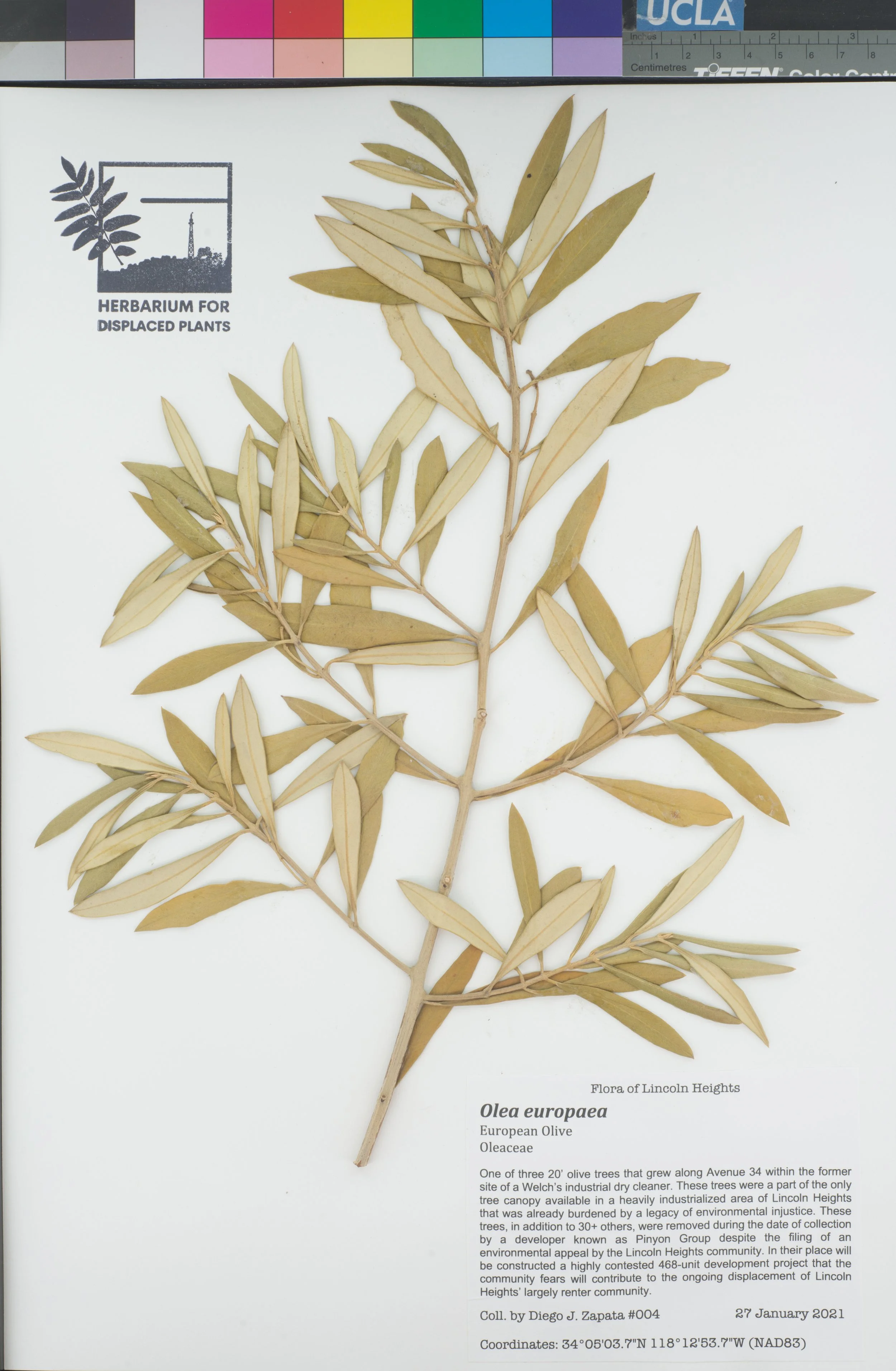
Avenue 34, Lincoln Heights
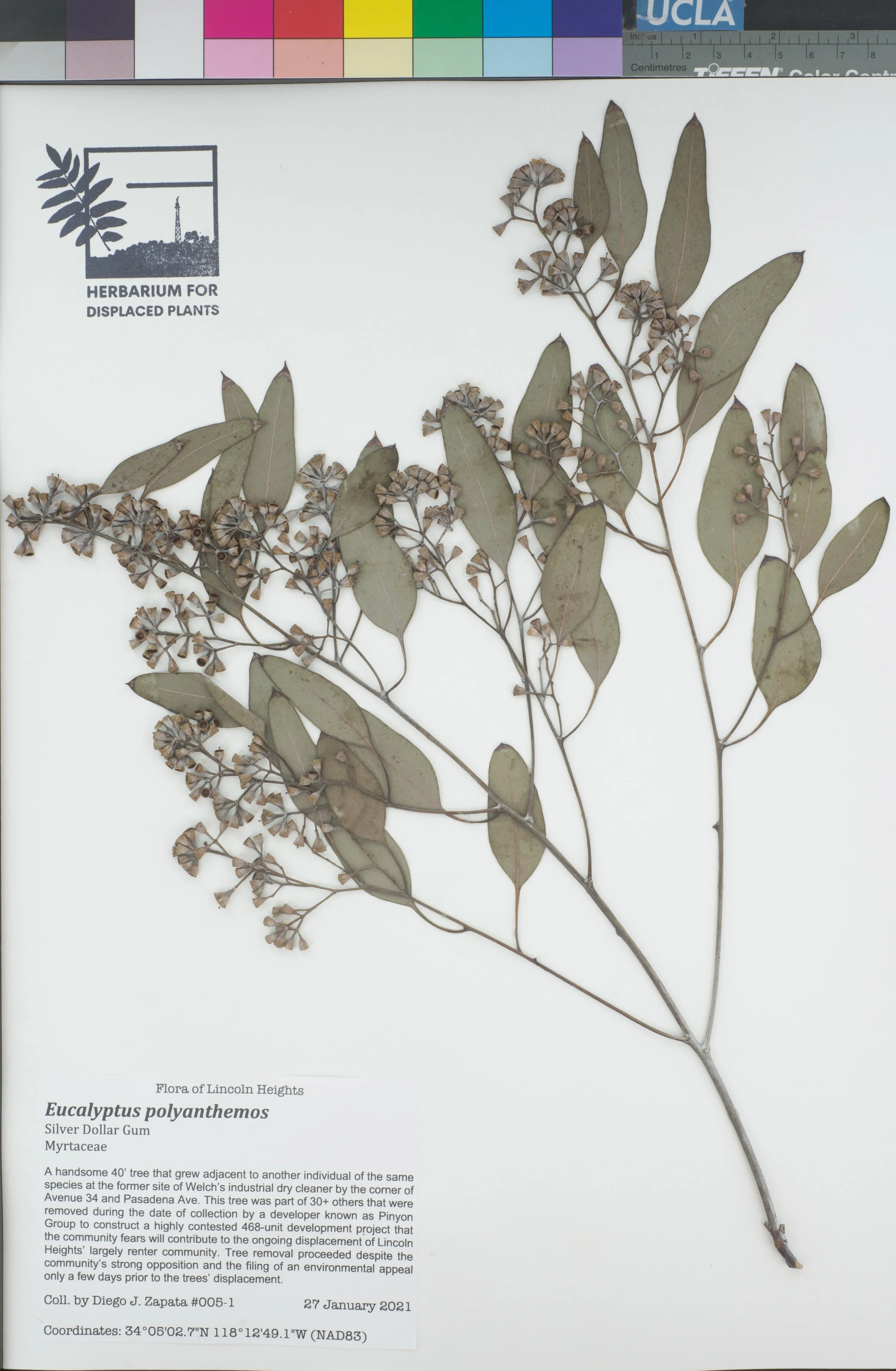
The corner of Avenue 34 and Pasadena Avenue was once the site of the Welch's uniform laundering facility, a former commercial linen and apparel laundering service that operated for more than 60 years. This exposed the area (and community) to toxic chemicals [trichloroethylene (TCE), perchloroethylene (PCE), and other potentially cancer-causing chemicals] for decades. Amateur sleuthing by a local activist also revealed that the American Caster Company had buried 252 leaking barrels full of xylene and toluene in an adjacent lot in the 1980s. A local elementary school and residences are located only a few meters away from this site.
The land was purchased and is currently owned by R Cap Avenue 34, LLC and R Cap Avenue Two, LLC, companies affiliated with the Ratner Family. Once the Lincoln Heights community learned that a transit-oriented 468-unit development project was set to be spearheaded by the Pinyon Group (a real estate development company), community members began to organize against the project, citing concerns over gentrification and increased pollution exposure following soil disturbance. In-situ soil vapor extraction to keep community members safe during the project’s construction was not mandated until community pressure prompted the California Department of Toxic Substances Control to re-assess previous remedial action work plans. In January 27, 2021, the Pinyon Group prematurely cut down over 30 mature trees, representing the only tree canopy cover within this site, despite the filing of an environmental appeal by local community members to protect the trees only a few days before the clear-cutting.
Eastern & Lombardy, El Sereno
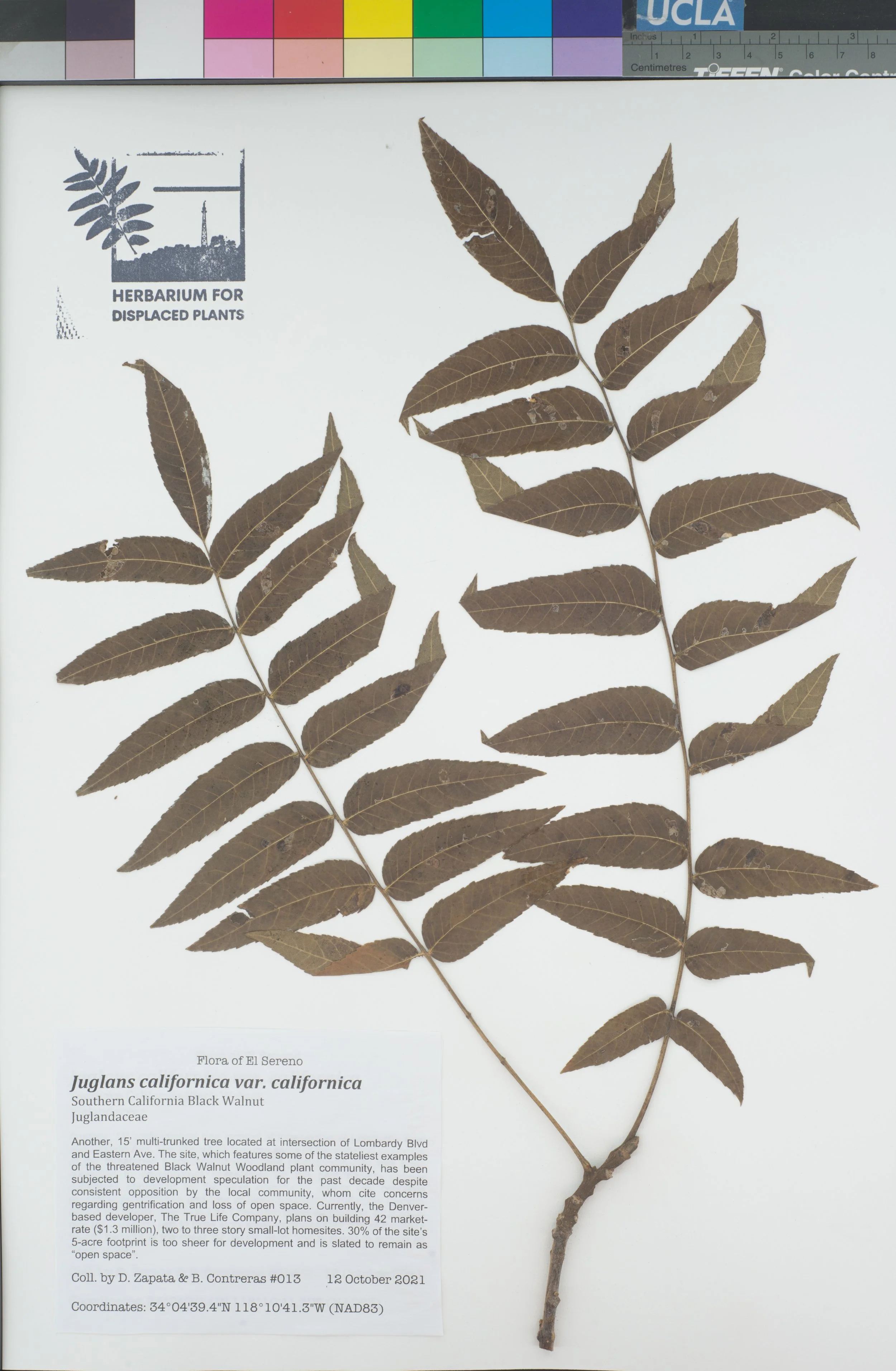
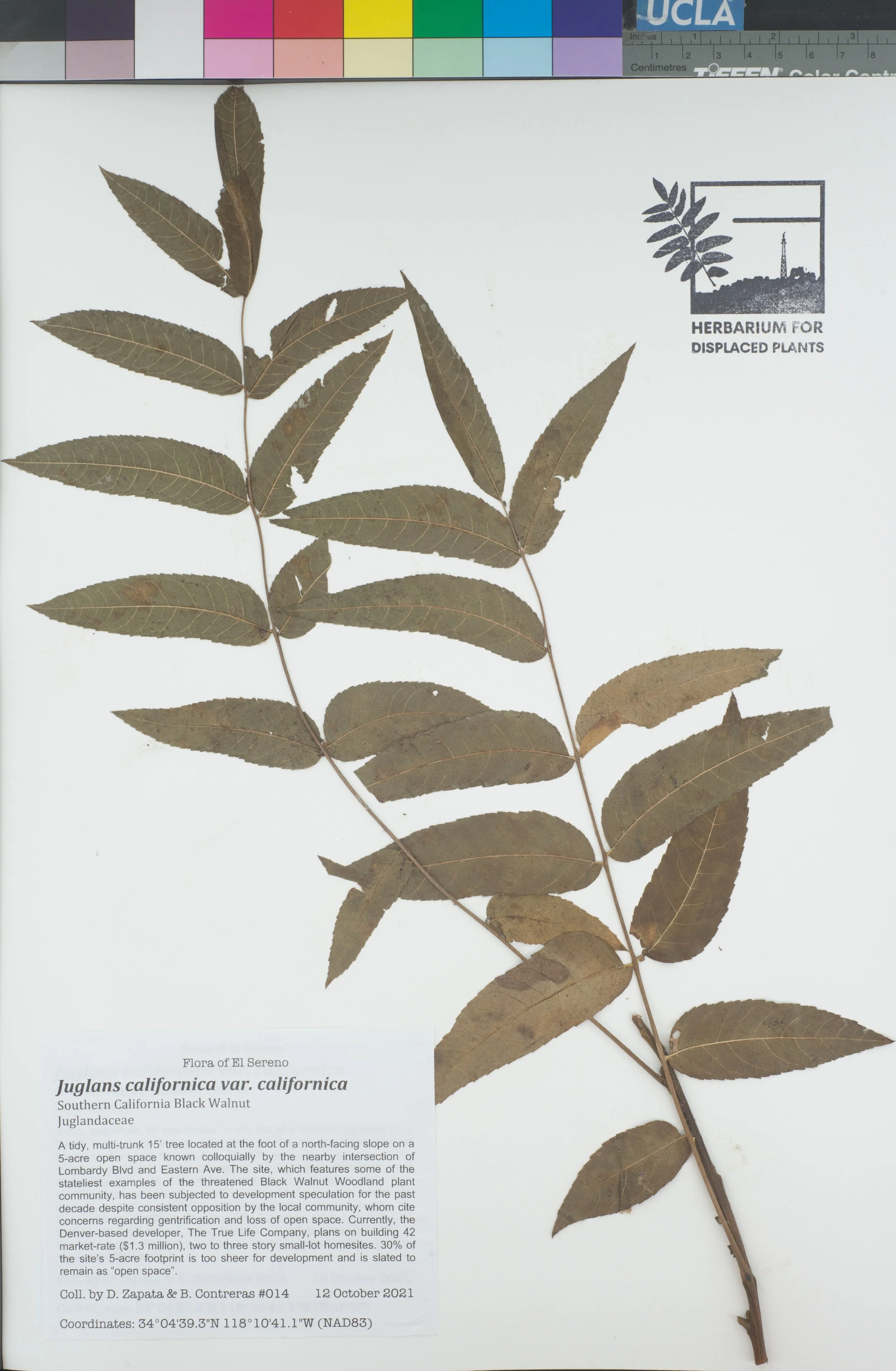
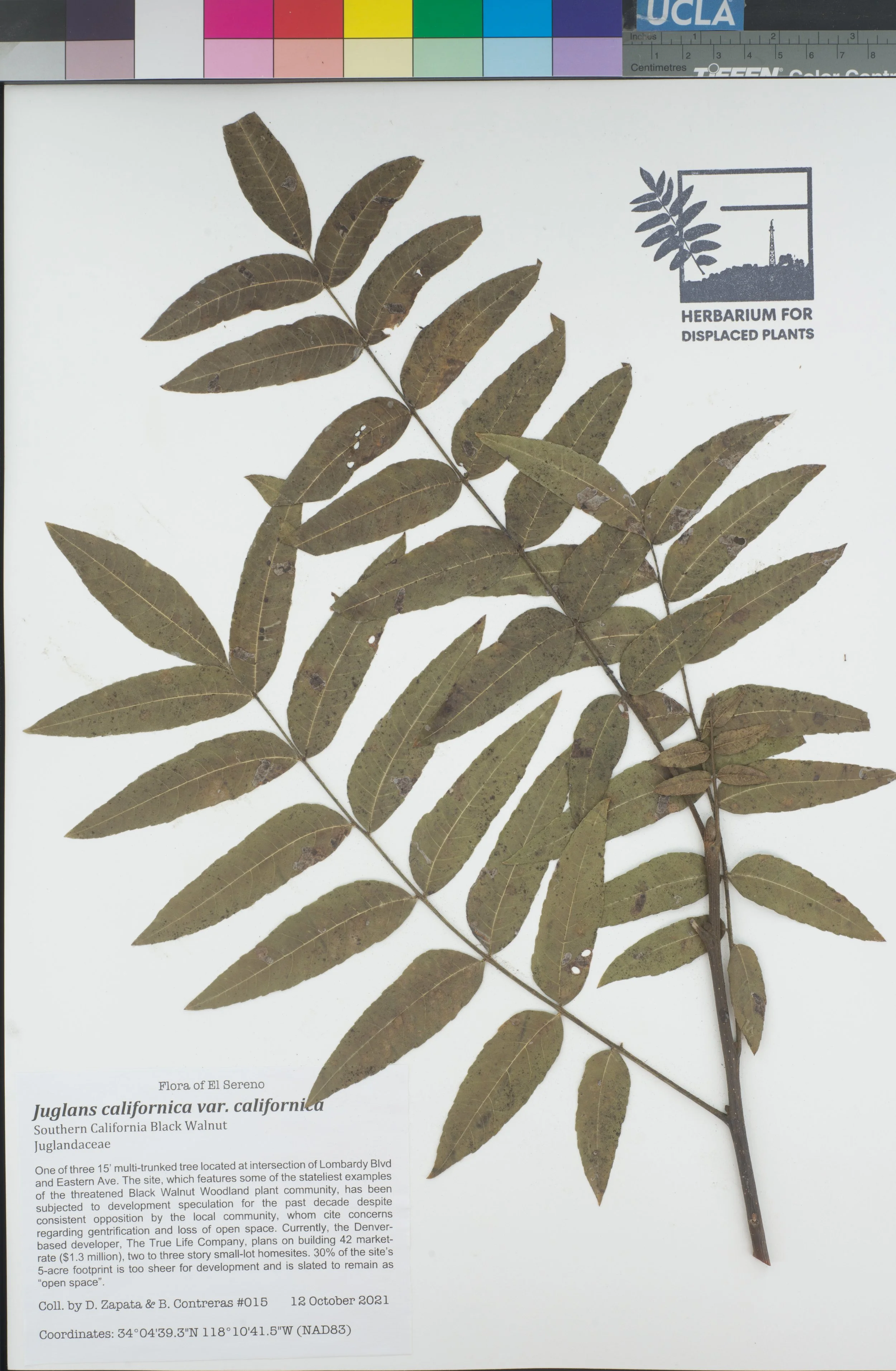
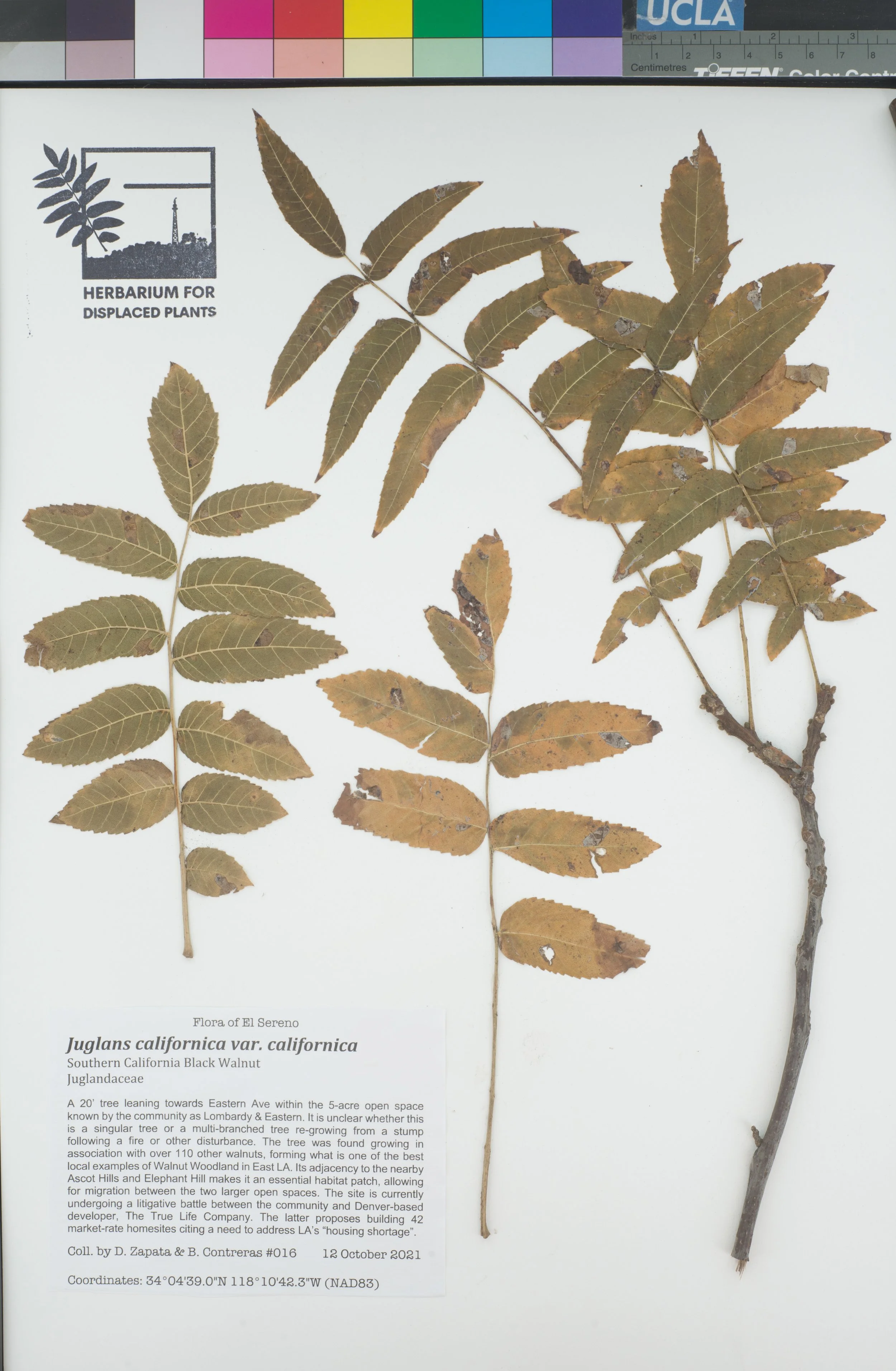
In 2020, during the height of the pandemic and as the indicted CD-14 LA City council member, Jose Huizar, was removed from office, a 42-unit luxury housing project was expedited for approval by allowing the developer, TTLC, to avoid drafting an environmental impact report. For the completion of the project, over 100 rare and threatened Juglans californica trees were slated to be displaced within a 5.5-acre parcel of relict walnut woodland in the heart of a park-deprived El Sereno. In May 2020, the East Los Angeles Planning Commission approved a determination to allow the construction of a 178-ft retaining wall, requiring the removal and hauling of over 80,000 cubic yards of earth despite heavy community opposition. By June 2021, the new CD-14 city council member, Kevin de León, moved this project further by approving a zone change without consulting his constituents.
In November 2022, a judge ruled that this project violated CEQA, declaring that the developers’ Mitigated Negative Declaration used and accepted by the city was an "abuse of discretion". The developers now have to prepare an environmental impact report (EIR) as outlined by CEQA, but the hillside remains vulnerable to ongoing development.