
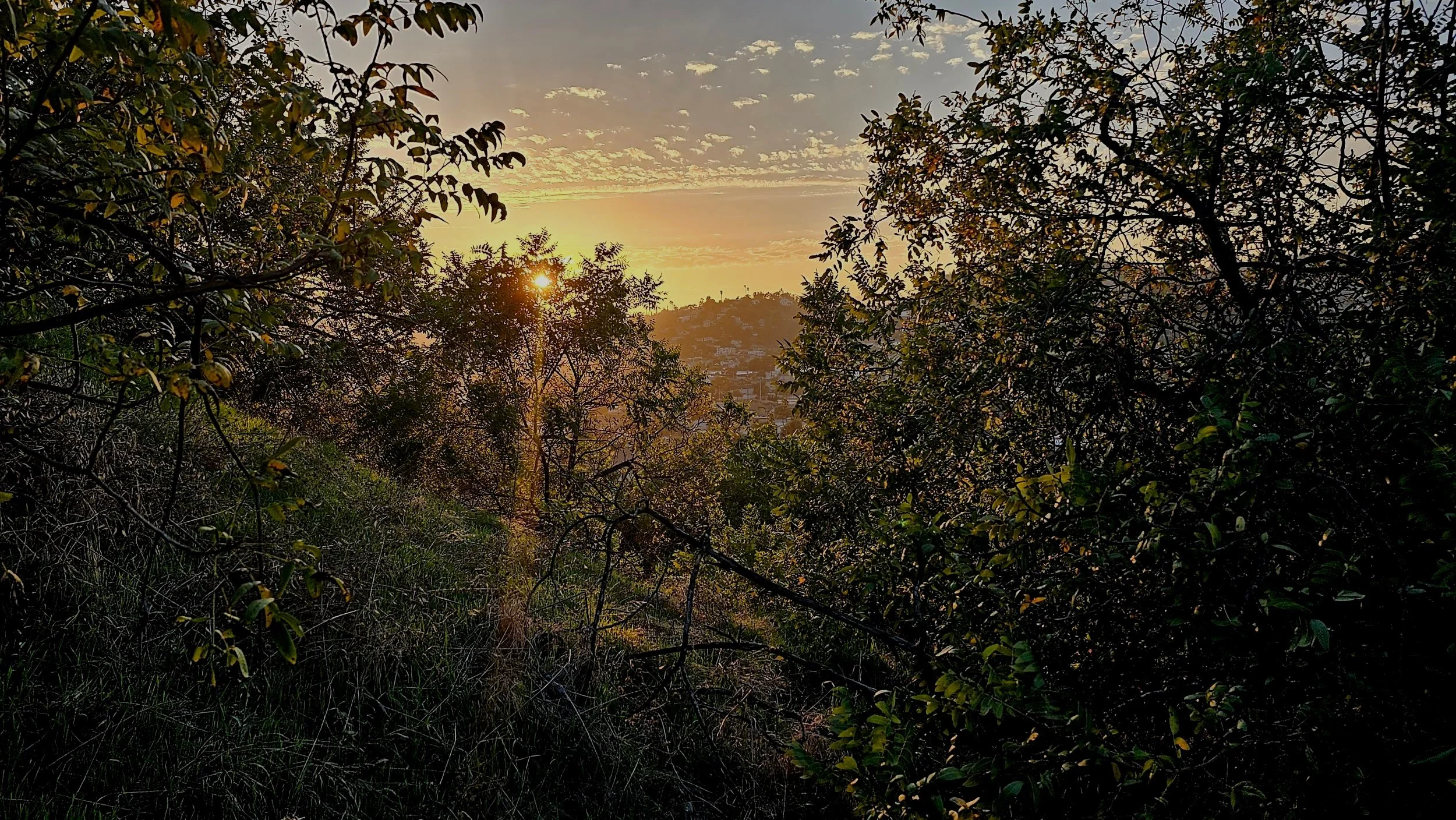
A community science project committed to representing the biodiversity of Los Angeles’ marginalized communities.
Our Call to Action
Communities throughout Los Angeles are struggling to protect their natural resources and open spaces from the increasing threat of urban development. As land is commodified and people are displaced or disenfranchised, the biodiversity that has persisted in our city’s communities is lost at alarming rates. This is not only a significant conservation issue for one of the biodiversity hotspots of the world, but also an emerging environmental justice crisis that galvanizes the environmental apartheid that has kept nature and marginalized people apart for far too long.
An Herbarium as a Tool For Community Empowerment
When elected officials and regulatory agencies turn a blind eye to the harm of poorly informed or exploitative development projects, people are often left to witness the erosion of their community and the loss of their biodiversity despite years of collective resistance. The herbarium initially emerged in defiance of the City of Los Angeles’ poor track record in protecting community autonomy and self-determination. Our earliest vouchers serve as a medium of remembrance and mourning for trees that no longer stand tall, for land that has been commodified against the needs of the general public, and for the people displaced or disenfranchised by misguided or poorly regulated urban development projects.
While we continue to archive life in response to direct displacement, our herbarium has come to recognize that the act of documenting urban life before it is lost can serve as an ecological and community monitoring tool and platform to keep impacted community members aware and developers, city officials, and regulatory agencies accountable. By assembling cross-sectional datasets that represent broader geographic areas and people, community-driven ecological and community impact assessments can identify new and palpable impacts that would otherwise be hidden by developer or city-led single-project assessments.
Environmental racism can also have direct consequences on the behavior, ecology, and evolution of urban biodiversity. Herbarium collections have been historically curated by white and affluent individuals that de-center, under-represent, or devalue urban plant life. Because herbariums are still widely utilized in ecology and evolution studies, this historical bias can result in scientific findings that fail to consider how urbanization impacts biological systems that provide vital ecosystem services to marginalized people. By digitizing and open-sourcing our entire collection for the scientific community, studies can better represent urban communities and identify ways to protect or augment community resilience under synergistic disturbances like climate change, modified fire regimes, habitat fragmentation, and greater pollution burdens.
Our Data is Open Source

Community members are encouraged to utilize our herbarium collection to learn about their local biodiversity and to use any of our data to supplement appeals to local and state governments in defense of local natural resources and vulnerable peoples. Local non-profits, city departments, and other environmental and conservation practitioners are empowered to use our herbarium to set meaningful conservation targets for parks and open spaces represented by our collection. The scientific community is also welcome to include any portion of our collection into their studies.
Geo-reference data is redacted for particular species that are vulnerable to exploitation, poaching, or other forms of human disturbance or if population sizes are too small to risk high visibility. This typically means that the locations of most herbaceous or annual species are hidden from the general public for their protection. To access this metadata and supplementary information, please contact us with a request outlining your intended use for the data.
Statement for Indigenous Self-Determination
Our community stands before this land, which in only recent times past, was stewarded by the Gabrielino-Tongva/Kizh/Shoshone people. The Los Angeles Basin and the Channel Islands, or Tovaangar, was once home to a vast and continuous canopy full of Oaks, Walnuts, and Sycamore. Rolling grasslands, sage scrub, and chaparral emerged where trees became less dense. Streams and springs weaved through the landscape and fed into the Los Angeles River, leading to the center of Tovaangar settlements called Yaagna. This village was distinguished by its proximity to an old and sacred California Sycamore tree.
Cycles of colonization dispossessed the first peoples of Tovaangar: their lands were unceded, their language outlawed, and a treaty with Mexico or the United States government was never ratified.
Today, Tovaangar is occupied by one of the largest metropolitan centers in the world, and the Gabrielino-Tongva/Kizh/Shoshone and the Fernandeño-Tataviam continue to struggle every day for their sovereignty and access to the resources needed to keep their way of life alive.
Every specimen reflected within our herbarium is a seed we sow in the name of ancestors, elders, and relatives past, present, and emerging of the Gabrielino-Tongva/Kizh/Shoshone and Fernandeño-Tataviam people. We recognize that the commodification of Tovangaar via land speculation, housing development, and the lack of community self-determined parks and open spaces is an extension of this dispossession first experienced by first peoples into the present day.
The Herbarium for Displaced Plants understands that land stewardship and land back is a necessary act of healing and is committed to leveraging its platform to center all Indigenous peoples of Tovangaar.